Knowby Dairy Systems
Knowby
Bird Flu and Dairy Cows
1
Step 1 of 15
<p>Bird Flu (H5N1) hasn't been found in Australian dairy herds BUT there have been three cases in wild birds found.</p><p>The following is a guide:</p><ul><li><p>What to look for</p></li><li><p>How it spreads</p></li><li><p>What to do</p></li></ul><p></p>

Bird Flu (H5N1) hasn't been found in Australian dairy herds BUT there have been three cases in wild birds found.

The following is a guide:

  • What to look for

  • How it spreads

  • What to do

2
Step 2 of 15

Signs to watch for:

3
Step 3 of 15
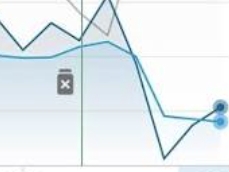
<p>Sudden drop in feed intake or milk production.</p><p>If you have wearables watch for drops in rumination rates alongside these.</p>

Sudden drop in feed intake or milk production.

If you have wearables watch for drops in rumination rates alongside these.

4
Step 4 of 15
<p>Respiratory signs:</p><ul><li><p>Coughing</p></li><li><p>Nasal discharge</p></li><li><p>Breathing difficulties</p></li><li><p>High temperature / fever</p></li></ul><p></p>

Respiratory signs:

  • Coughing

  • Nasal discharge

  • Breathing difficulties

  • High temperature / fever

5
Step 5 of 15

Nervous signs.

Unexplained deaths.

6
Step 6 of 15
<p>Mastitis</p><p>THIS CAN BE THE ONLY PRESENTING SIGN</p><ul><li><p>The virus replicates in the milk secreting cells</p></li><li><p>Severe mastitis</p></li><li><p>Milk can look like mastitis or thick colostrum</p></li><li><p>Shows up under PCR testing (but not the panel commercially used in Australia)</p></li></ul><p><a target="_blank" rel="noopener noreferrer nofollow" href="https://www.nature.com/articles/s41467-025-61553-z">Scientific Article</a></p><p></p>

Mastitis

THIS CAN BE THE ONLY PRESENTING SIGN

  • The virus replicates in the milk secreting cells

  • Severe mastitis

  • Milk can look like mastitis or thick colostrum

  • Shows up under PCR testing (but not the panel commercially used in Australia)

Scientific Article

7
Step 7 of 15

Bird Flu is spread via:

8
Step 8 of 15
<p>Direct contact with infected birds.</p><p>Especially waterfowl and seabirds.</p>

Direct contact with infected birds.

Especially waterfowl and seabirds.

9
Step 9 of 15
<p>Indirect contact via contaminated:</p><ul><li><p>Feed and water</p></li><li><p>Bedding</p></li><li><p>Footwear and vehicles</p></li><li><p>Clothing and equipment</p></li></ul><p></p>

Indirect contact via contaminated:

  • Feed and water

  • Bedding

  • Footwear and vehicles

  • Clothing and equipment

10
Step 10 of 15

Windborne particles like manure, feathers and dust.

11
Step 11 of 15

Use the following biosecurity measures:

12
Step 12 of 15
<ul><li><p>Keep poultry and birds away from livestock.</p></li><li><p>Fence off ponds etc where they live.</p></li><li><p>Make use of bird scarers.</p></li></ul><p></p>
  • Keep poultry and birds away from livestock.

  • Fence off ponds etc where they live.

  • Make use of bird scarers.

13
Step 13 of 15
<ul><li><p>Prevent birds from contaminating feed and water</p></li><li><p>Don't forget young stock feed</p></li><li><p>Keep troughs clean</p></li></ul><p></p>
  • Prevent birds from contaminating feed and water

  • Don't forget young stock feed

  • Keep troughs clean

14
Step 14 of 15
<ul><li><p>Clean and disinfect equipment, boots and vehicles if necessary.</p></li><li><p>Ensure hands are washed and disinfected.</p></li><li><p>Minimise people coming and going.</p></li><li><p>Record who does come and go.</p></li></ul><p></p>
  • Clean and disinfect equipment, boots and vehicles if necessary.

  • Ensure hands are washed and disinfected.

  • Minimise people coming and going.

  • Record who does come and go.

15
Step 15 of 15
<p>Be vigilant with animal health:</p><ul><li><p>Look for clinical signs in stock.</p></li><li><p>Be aware of sick birds.</p></li><li><p>Be aware of any dead birds on the property.</p></li><li><p>Don't touch sick or dead birds report them to your manager</p></li><li><p>AND CONTACT EAD HOTLINE</p></li></ul><p><span style="font-size: 36px; line-height: 1.4;"><strong>1800675888</strong></span></p><p></p>

Be vigilant with animal health:

  • Look for clinical signs in stock.

  • Be aware of sick birds.

  • Be aware of any dead birds on the property.

  • Don't touch sick or dead birds report them to your manager

  • AND CONTACT EAD HOTLINE

1800675888