
Preparation and Planning
Before any explosives are handled, careful planning is essential. This includes geological assessments to understand the rock formation, determining the appropriate type and amount of explosives, and planning the blast pattern. Ensure all plans are reviewed and approved by certified blasting engineers and comply with local mining regulations.
Handling and Transporting Explosives to the Mining Face
Transport the explosives from the storage area to the mining face using designated vehicles. Ensure that the transportation route is secure and that all personnel involved are trained in handling explosives. The explosives should be kept in their original packaging to protect them until they are ready for use.
Insertion of Explosives
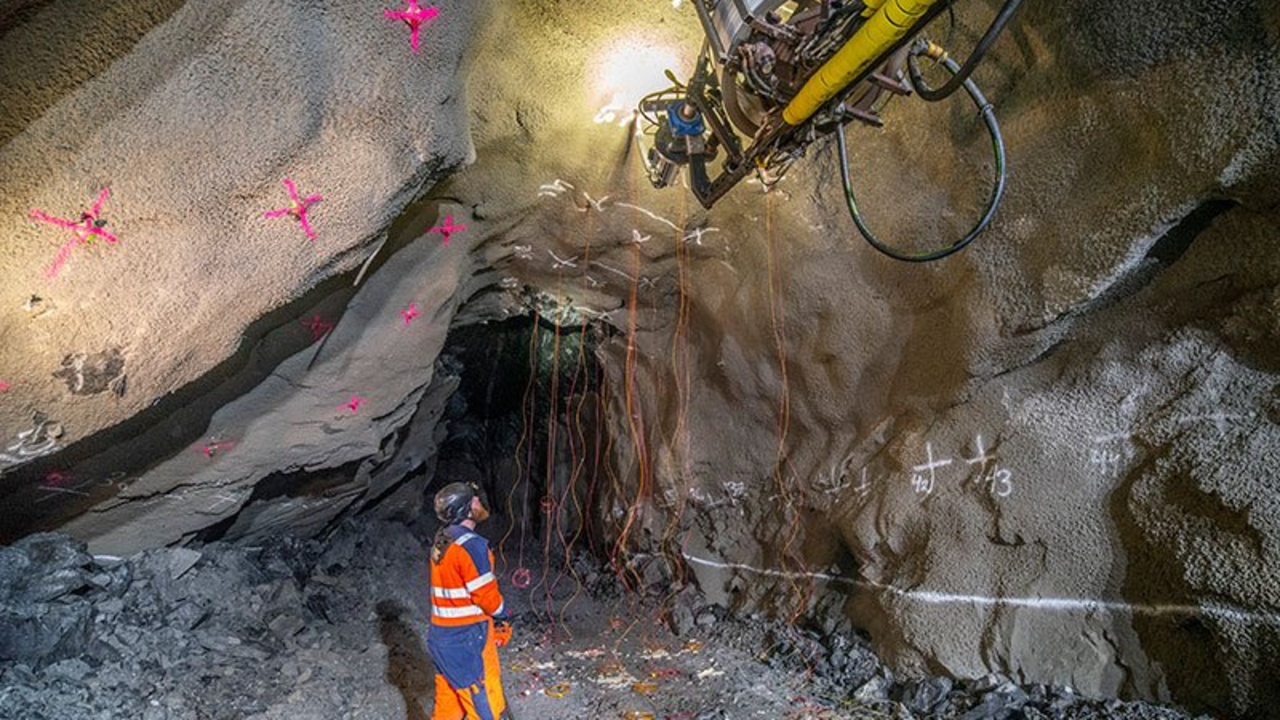
At the mining face, handle each explosive with care. Use non-sparking tools to position the explosives according to the blast design. Ensure that each charge is securely placed in the drill holes and that non-electric detonators are used to minimize the risk of accidental ignition.
Wiring and Priming the Charges
Once the explosives are in place, they must be connected to the detonation system. Use shock tube systems for initiation to provide a reliable and safe means of detonation. Double-check all connections, and ensure that all charges are primed correctly and securely.
Evacuation and Securing the Area
Before detonation, evacuate all personnel from the blast area. Establish a secure perimeter and check that all non-essential equipment is removed. Use remote monitoring equipment to confirm that the area is clear and that it's safe to proceed with the detonation.
Conducting the Explosion
The final step is to conduct the explosion. This should be done from a remote location using a secure detonation device. After confirming that all systems are go, initiate the explosion. Monitor the blast remotely and ensure that all safety protocols are observed during the detonation.
Post-Explosion Inspection and Debrief
After the explosion, conduct a thorough inspection of the area to assess the effectiveness of the blast and to ensure that no unexploded charges remain. Document the outcomes and discuss any improvements that could be made for future operations in a debrief session.
Conclusion
Thank you for following our safety and operational procedures for managing explosives at the mining face. Remember, every step from planning to execution is crucial for the safety and success of mining operations. Stay informed, stay safe, and maintain vigilance.