Knowby
Dairy Systems
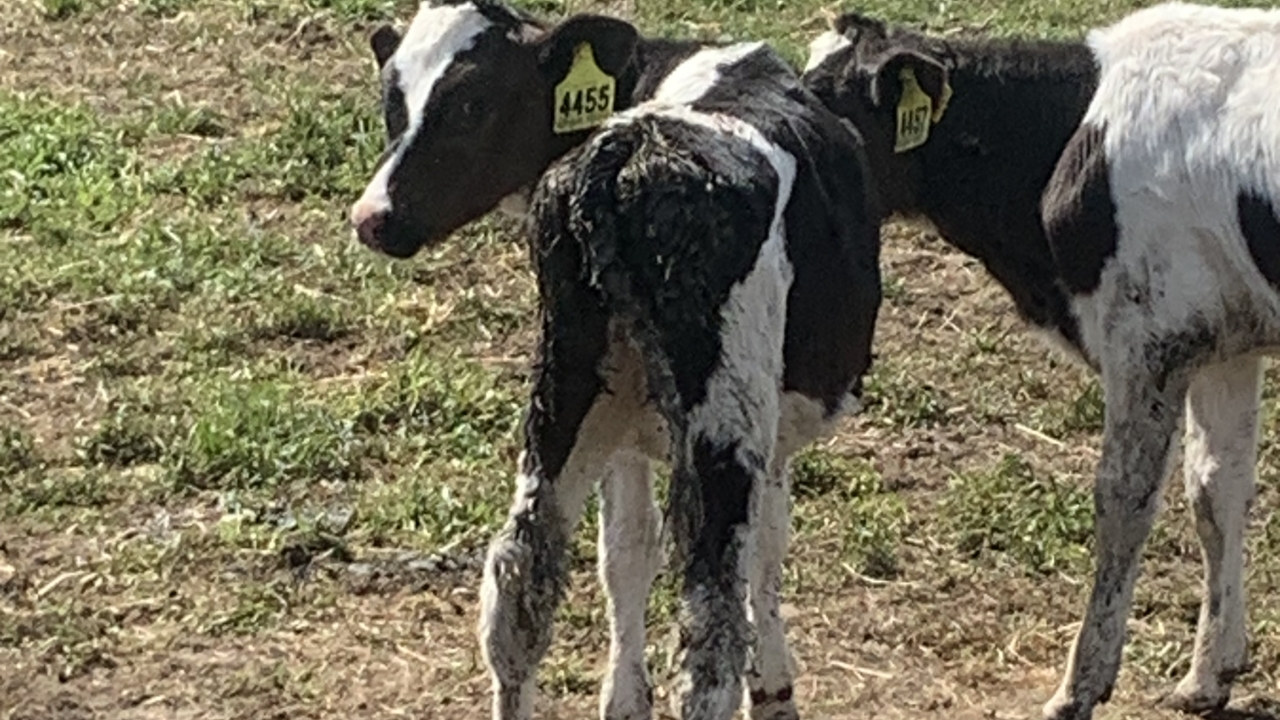
Coccidia
1
Step 1 of 7
Coccidia in calves is caused by microscopic parasites called Eimeria species. It commonly affects young calves (3 weeks to 6 months old), especially when stressed or in unsanitary environments.
2
Step 2 of 7
Signs with Mild to Moderate Infections:
Reduced feed intake
Mild diarrhea
Slower weight gain
Rough coat or dull appearance
3
Step 3 of 7
Signs of Severe Infections (clinical coccidiosis):
Bloody or mucous diarrhea
Dehydration
Straining or rectal prolapse
Lethargy or weakness
Fever (sometimes)
Death in severe, untreated cases
4
Step 4 of 7The straining to scour is a very strong sign alongside blood scours.
5
Step 5 of 7
Feeding a coccidiostat in your grain will help combat coccidia but in the face of an outbreak use Baycox. A single dose oral treatment for use up to 9 months of age. 3ml per 100kg. Withhold meat 56 days.
6
Step 6 of 7
Supportive Care:
Rehydration: Electrolyte fluids orally or IV for dehydration.
Anti-inflammatory drugs (e.g. meloxicare oral) for pain or fever.
Good nutrition to support gut repair.
7
Step 7 of 7Prevention:
Maintain clean, dry bedding
Avoid overcrowding
Clean feeders and waterers daily
Use coccidiostats (e.g. monensin, decoquinate) in feed during high-risk periods
Avoid stress (e.g. sudden weaning, transport) during vulnerable stages