
Electrical Safety
Before using portable electrical equipment or extension leads, it's important to do a quick safety check to make sure the equipment is safe to use.
Extension Leads
When using an extension lead, first do a quick visual inspection. Check the cord for obvious damage; cuts, burns or abrasions. Check plug ends for burn marks, bent or broken pins. Lastly, make sure the safety tag, on the male plug end, is in date.
Mobile Pumps
When using mobile pumps, especially 3 Phase, it is important to do a brief inspection before plugging it in. Is the plug in good condition? Is the test tag in date? Are the isolator or push buttons damaged? Are there any 'Do Not Operate' or 'Danger' tags attached?
Damaged Equipment
If you find any damage to the equipment or power leads, it is important to tag it out, take it out of service, and report the fault.
Tagging Out Faulty Equipment
This can be done by filling out an 'Out Of Service' tag and attaching it to the male plug or isolation point of the equipment. Make sure to include your name, date and the fault. Put the equipment aside and notify your team leader, who will put in a job to have the equipment repaired or replaced. Any equipment found without a safety tag will also need to be reported.
3 Phase Socket Outlets
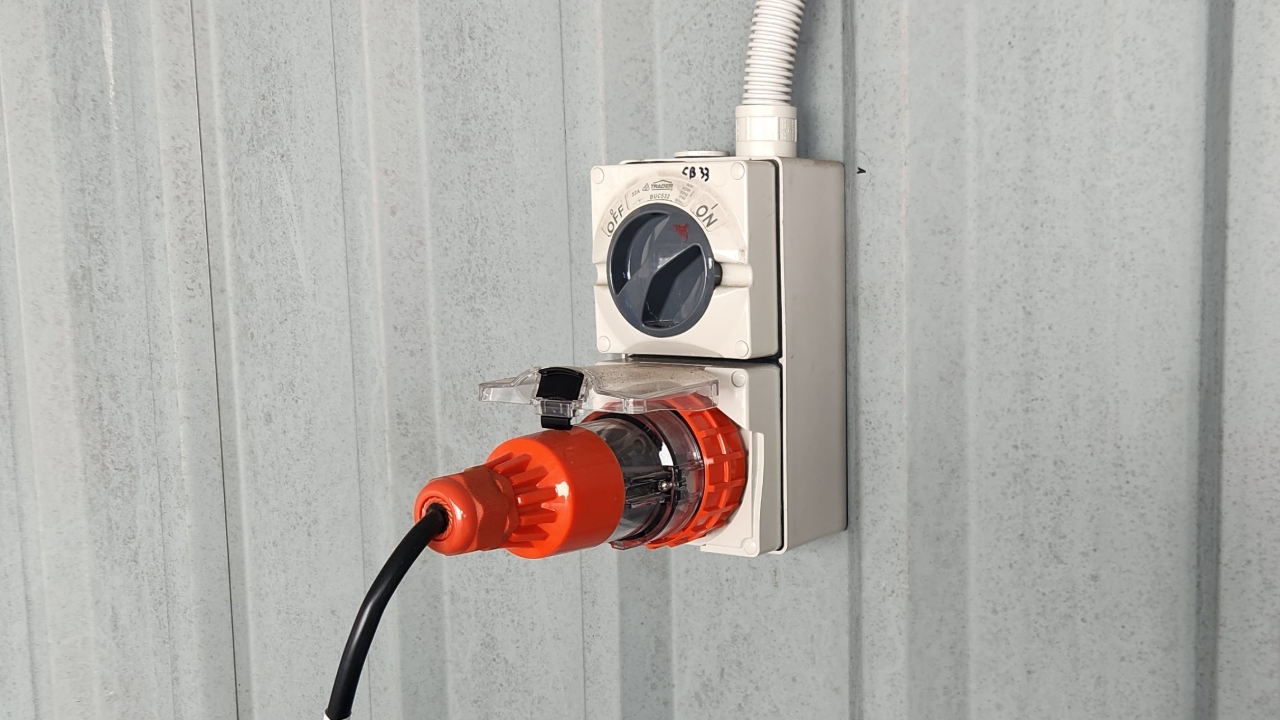
Before plugging in any 3 phase equipment (4 or 5 pin plugs) it is important to turn off the socket. It is not always obvious whether your equipment is turned on and plugging in or unplugging live equipment can result in electrical flashes.
3 Phase Socket Outlets (Cont'd)
To connect a 4 or 5 pin plug correctly push it in firmly. These plugs will only go in with the correct orientation and will not fit in sockets of a different rating. Tighten the plastic ring finger tight to prevent the plug accidentally disconnecting.
You are now ready to switch on your equipment.
Lead Hooks
Where possible when using electrical leads, use plastic hooks to keep them off the ground and out of water. This reduces the risk of tripping hazards, electric shock and the likelihood of the lead being damaged.
Tripping Circuit Breakers
If you find a light or power circuit breaker tripping repeatedly, please use the QR code on the front of the switchboard, or the phone number on the sticker, to report it to the Engineering Team.
Remember
Electrical safety is important to prevent injury and equipment damage. By taking a few seconds each time before you plug something in you are protecting yourself and those around you.
Thank you for your time.