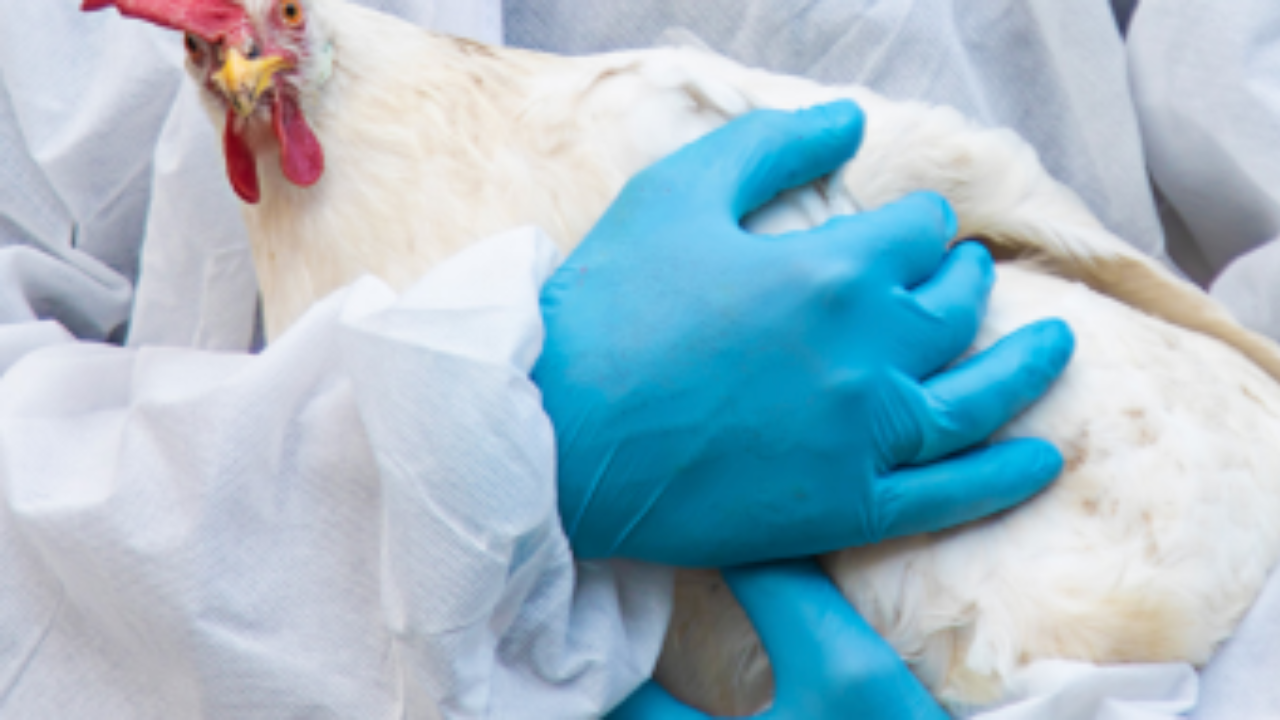

If you notice sick or dead birds or other animals, you should not touch them. If there are multiple dead birds or other animals, take photos or a video.
Record your location and report it to the 24-hour Emergency Animal Disease Hotline on 1800 675 888.
Record what you see and include:
date and time
location (GPS pin, nearby roads, or landmarks)
type or description of birds or animals
how many birds or other animals are sick or dead
what they look like (e.g. freshly dead or just bones, signs of disease)
if safe, take photos or ideally a video.
HPAI (Bird flu) is a national emergency animal disease (EAD) notifiable in all Australian states and territories.
H5N1 is a highly contagious variant of HPAI which is circulating globally causing severe illness and mortality in a wide range of bird species, with known transfer to mammals and risk to humans.
It is important to report any dead or sick animals showing signs of bird flu so that we can detect the virus early.
Bird flu can only be confirmed through laboratory testing. Samples must be collected by a veterinarian or government animal health officer.
If you come across an animal or have a pet with a suspected case:
Do not touch
Isolate from other animals
Do not bring sick or dead animals with suspected flu to the vet without calling to discuss the symptoms first

Signs of bird flu
Infected animals might look very sick—or show no signs at all. Sometimes birds can die suddenly without warning.
That’s why it’s important to report any sick or dead birds or other animals, even if you're unsure.
Keep watch for signs of bird flu.

Wild birds:
can’t stand, walk, or fly properly
droopy or puffed-up appearance
breathing problems (panting or sneezing)
unusual head or neck posture
sudden death (be aware if 4 plus birds are dead)

Poultry (chickens, ducks, etc):
sudden drop in egg production
lethargy or not eating/ drinking
swollen head or limbs
bruising on comb, feet or skin
breathing issues or runny nose

Pet birds and backyard poultry:
sudden death
lethargy or not eating/ drinking
breathing issues or runny nose
tremors, ataxia and seizures
vomiting or diarrhoea
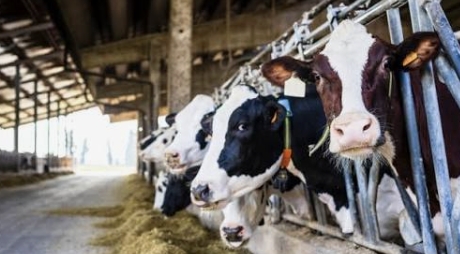
Mammals (seals, cows, cats, rats)
weakness or tiredness
trouble walking or
breathing seizures,
tremors or walking in circles
drooling or runny nose
sudden illness or death
How bird flu spreads:
Infected birds can spread the virus through body fluids, droppings and feathers.
In the right conditions, the virus can survive in the environment for months.
The virus can spread through contaminated clothing and shoes.
It can also spread through animals, vehicles and equipment, and items like egg cartons.
Most bird flu strains do not spread easily from animals to people.
There is no evidence that the current H5 bird flu strain spreads between people.
Bird flu transmission requires close contact with infected birds or other infected animals, or contaminated environments.
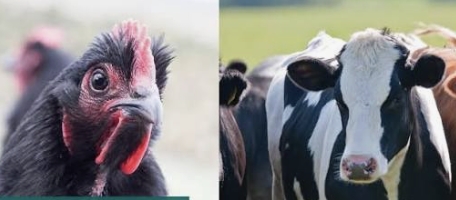
For commercial farms immediately ring your vet AND the EAD (Emergency Animal Disease) HOTLINE open 24/7
1800675888
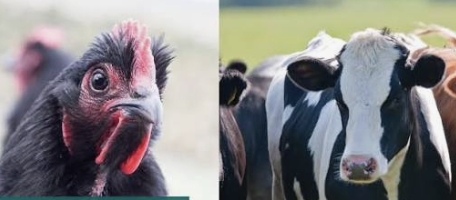
This guide was created on 25th June, 2026 using information from the Australian department of Agriculture, Fisheries and Forestry. For the latest information on Bird Flu in Australia, please visit the website.