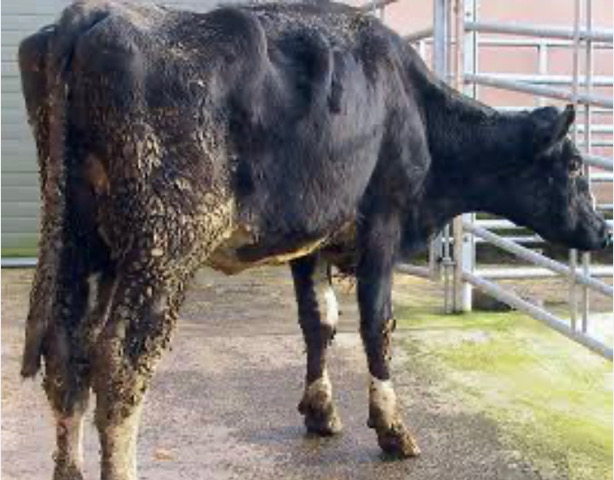
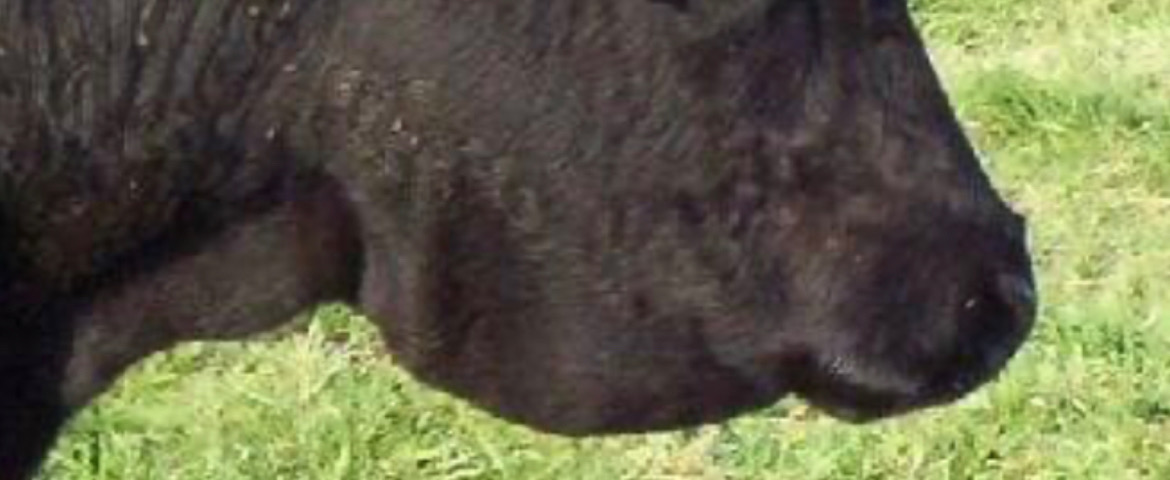
Severe liver fluke symptoms look very similar to Johnes.
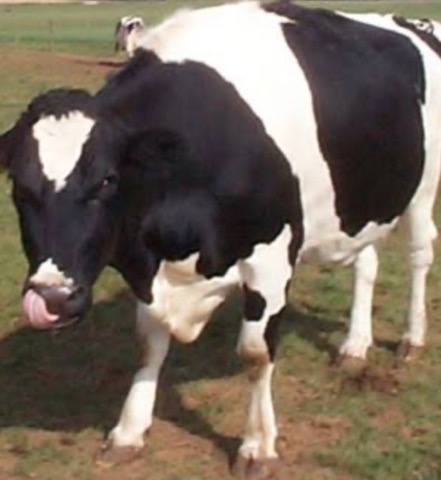
But adult healthy cows develop resistance to fluke in endemic situations.
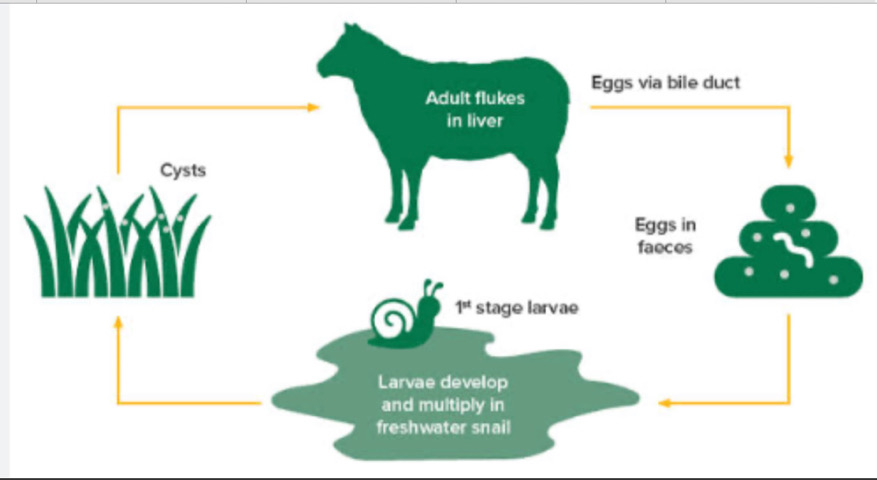
Fluke cycle through certain types of freshwater snail. If these snails aren’t present on a property fluke can’t get established.
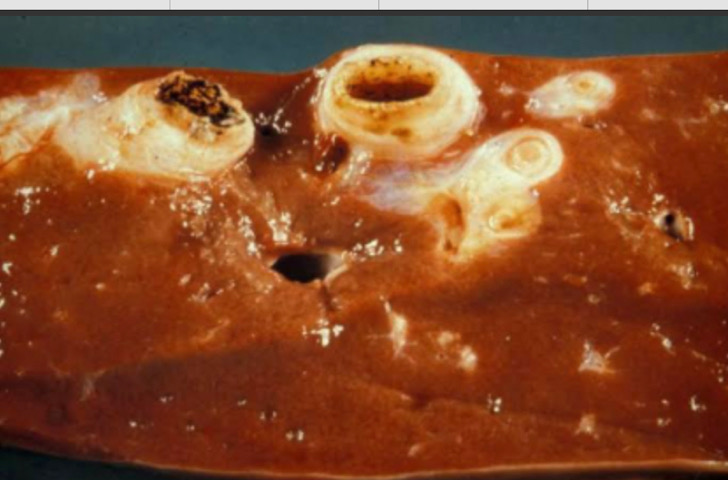
This is the damage they cause in the liver.
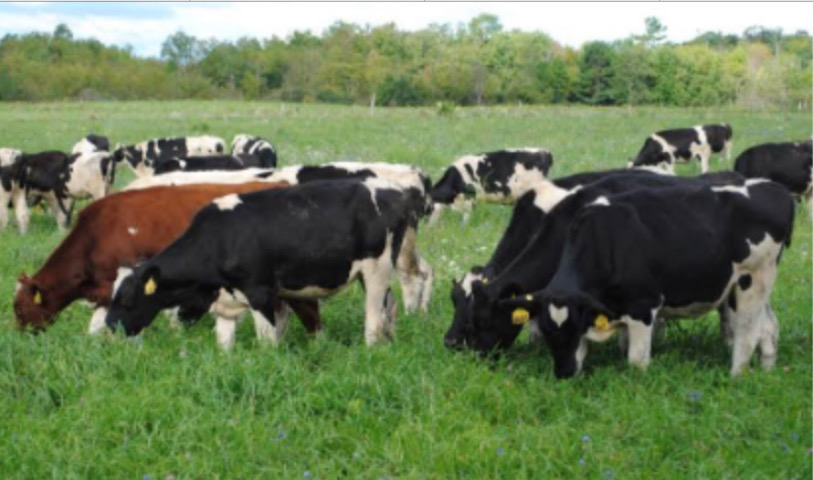
On endemic farms if young stock are reared off farm they will be at real risk when they join the herd. Close monitoring and drenching will be required to get them through until they develop resistant.
Despite mature cows developing resistant stress and under feeding will allow fluke to have an impact. There are probably two key periods to watch this.
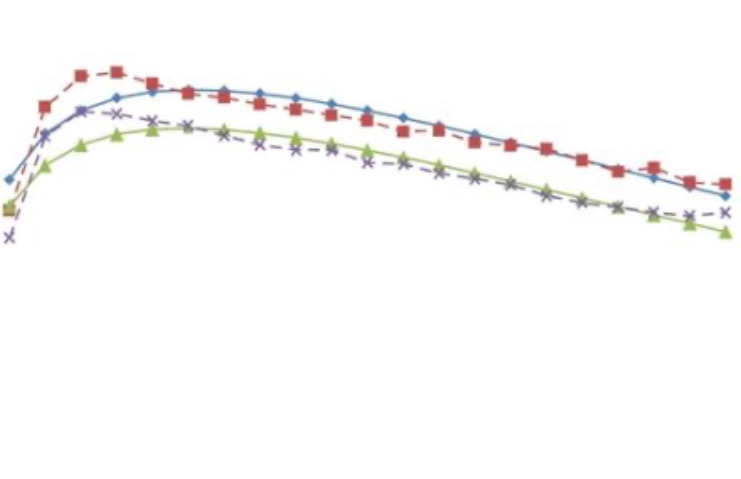
- If cows aren’t peaking in spring as expected or there are very thin cows drenching for fluke with nil milk with hold drench may have a positive effect.
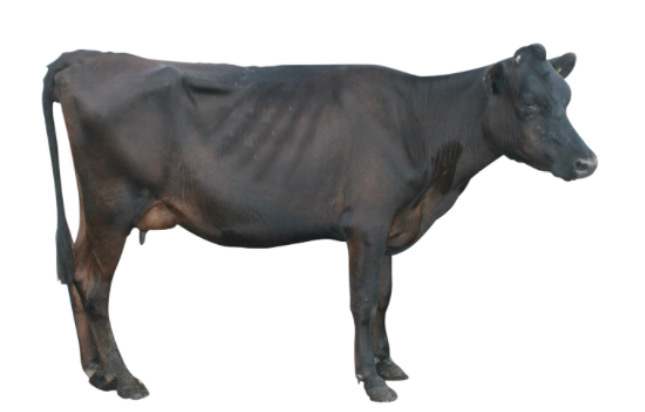
- Thin cows in the autumn leading into dry off may be effected by fluke and a nil milk with hold drench may have a positive effect.
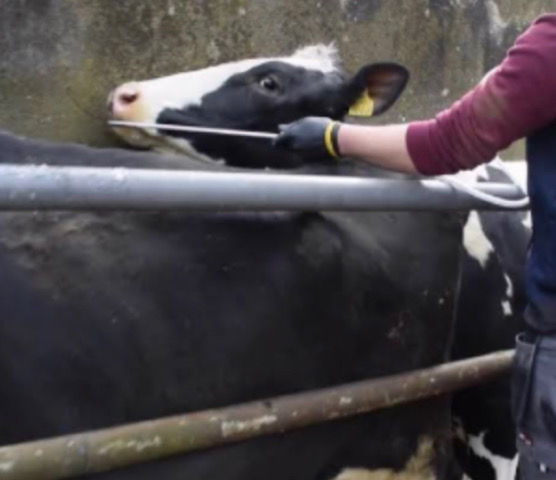
Drenching with drenches that that kill both mature and immature fluke is pointless in endemic herds. They will get reinfected soon after drenching.
ALL FARMS THAT GRAZE YOUNG STOCK OFF FARM MUST QUARANTINE DRENCH YOUNG STOCK This will keep farms free of fluke if it isn’t present and the young stock are grazing on fluke effected properties.
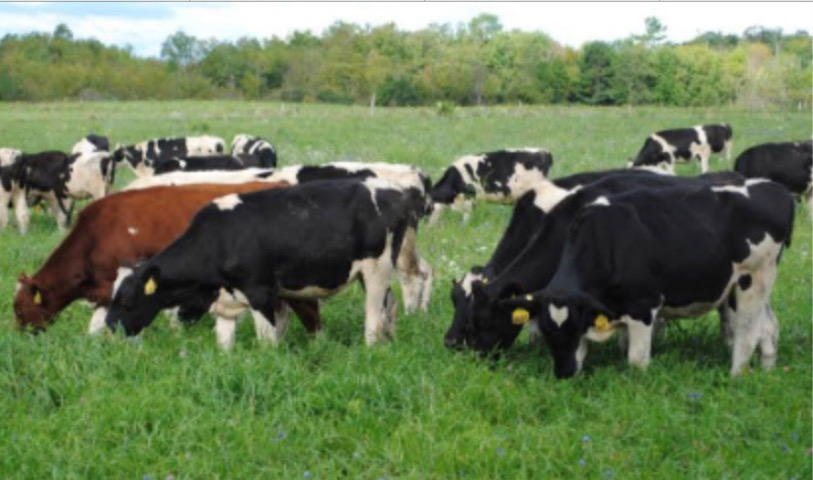
This has to be done as they return and not off farm as if fluke is present they will get reinfected. If you’re selling cull calves you must be aware of meat with holds. Either get heifers home before this is applied ( Strategik 10 days meat or ivomec plus 28 days meat )
Or use nil milk with hold at point of calving ( Ivomec plus ). This will open up the risk of fluke transmission onto the farm prior to calving.
They will require a second drench 8 weeks later to kill all immatures that have become mature.