Key Message:
Bird flu (H5N1) has not been found in Australian dairy cattle. The risk remains low, but every staff member should follow our biosecurity procedures and report anything unusual.
What is Bird Flu?
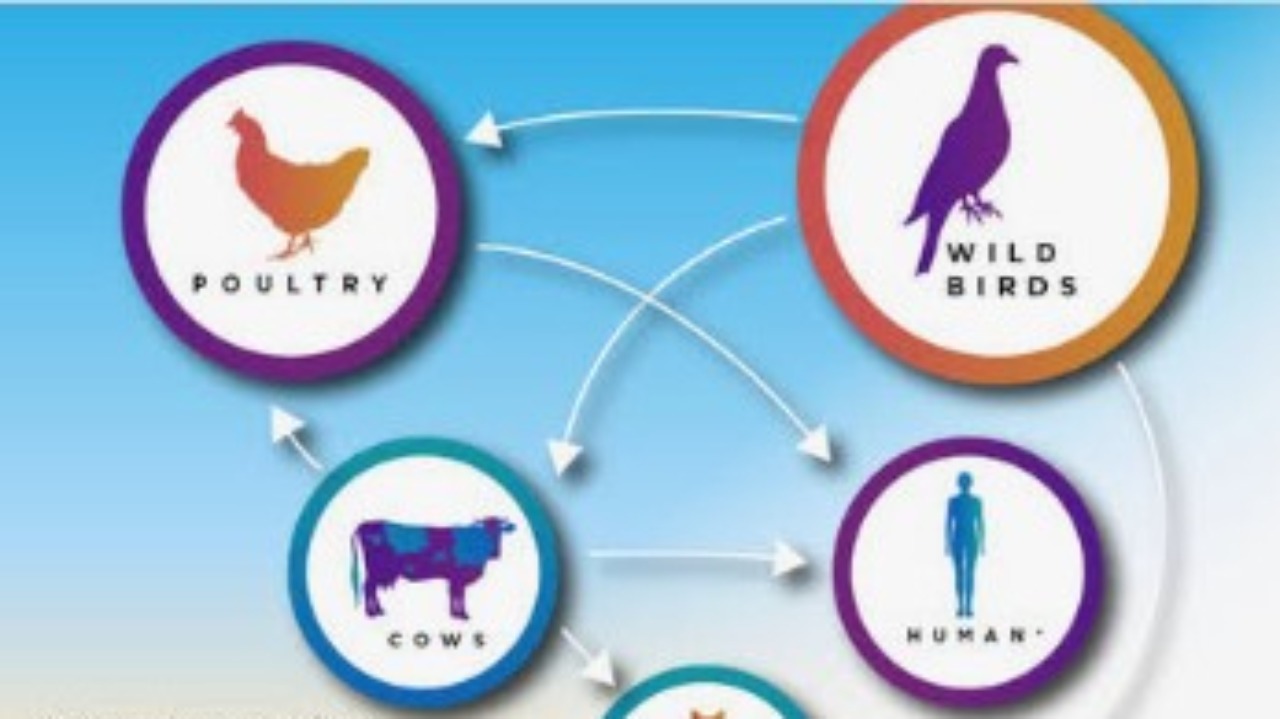
Bird flu (H5N1) is a disease that mainly affects wild birds and poultry.
In recent years, H5N1 has also been found in dairy cattle in the United States. However, it has not been found in Australian dairy cattle.
A wild bird in Western Australia has recently tested positive for H5N1. The risk to Australian dairy cattle remains low.
Good biosecurity helps keep our animals healthy and protects our farm, our milk quality, our jobs, and our access to Australian and overseas markets.
What Staff Need To Do
1. Follow our farm biosecurity procedures every day
Good biosecurity is our best protection against diseases entering or spreading on the farm.
2. Do not touch sick or dead birds
Do not handle sick or dead wild birds, chickens, ducks, swans or other animals.
Tell your supervisor immediately.
3. Report unusual numbers of dead birds
Tell your supervisor if you see several sick or dead birds in one area, especially near dams, waterways, paddocks, feed areas or sheds.
4. Keep birds away from feed and water where possible
Clean up feed spills quickly.
Keep feed storage areas tidy and secure.
Do not leave food scraps around sheds, lunchrooms or houses.
5. Keep water troughs clean
Check troughs regularly and report contamination such as bird droppings, dead birds or poor water quality.
6. Wash your hands
Wash hands after handling poultry, birds, feathers, eggs, manure or dirty equipment.
Wash hands before working with cattle, calves, milk or feed.
7. Clean boots and equipment
Remove mud, manure and dirt before moving between different animal areas.
Clean and disinfect boots and equipment according to farm procedures.
8. Watch for unusual illness in cattle
Tell your supervisor immediately if you notice:
Reduced milk production
Thickened or abnormal milk
Loss of appetite
Lethargy or reduced activity
Fever
Any unusual illness
9. Watch for unusual illness in poultry
Tell your supervisor if chickens or other birds:
Die suddenly
Stop eating
Appear weak or sick
Have trouble walking
Have swelling around the head or eyes
Show breathing problems
10. Follow visitor biosecurity rules
Only allow authorised visitors into animal areas.
Ensure visitors follow farm biosecurity requirements.
11. Tell your supervisor about higher-risk travel or animal contact
Before returning to work, tell your supervisor if you have:
Travelled overseas
Visited another farm
Visited a livestock market, animal show or wildlife park
Had contact with cattle, sheep, goats, pigs, poultry or wild birds
Used boots, clothing or equipment around animals away from this farm
12. Clean clothing, boots and equipment before returning to work
If you have visited farms, livestock facilities or animal areas:
Boots
Remove all dirt, mud and manure
Wash with water and detergent
Rinse thoroughly
Apply farm-approved disinfectant
Allow to dry completely
Clothing
Wash clothing using normal laundry detergent
Use a full wash cycle
Dry clothing completely before use
Wash heavily soiled clothing separately
Remember: disinfectants do not work properly on dirty surfaces.
Why This Matters
Good biosecurity:
Protects animal health and welfare
Helps maintain milk quality
Protects our jobs and business
Supports access to local and overseas markets
Helps maintain Australia's and Tasmania's reputation for safe, high-quality food
Every staff member plays an important role in protecting our farm.
If You Are Unsure
Report it ASAP to Michele Lawrence
Early reporting helps protect our farm and Australia's livestock industries.
Useful Resources
Dairy Australia – Emergency Animal Diseases
https://www.dairyaustralia.com.au/issues-and-emergencies/emergency-animal-diseases
Dairy Australia – Biosecurity
https://www.dairyaustralia.com.au/animals/health-and-welfare/biosecurity
Australian Government – Bird Flu Information
https://www.agriculture.gov.au/campaigns/birdflu
Australian Government – H5 Bird Flu and Livestock
https://www.agriculture.gov.au/biosecurity-trade/pests-diseases-weeds/animal/avian-influenza/livestock