
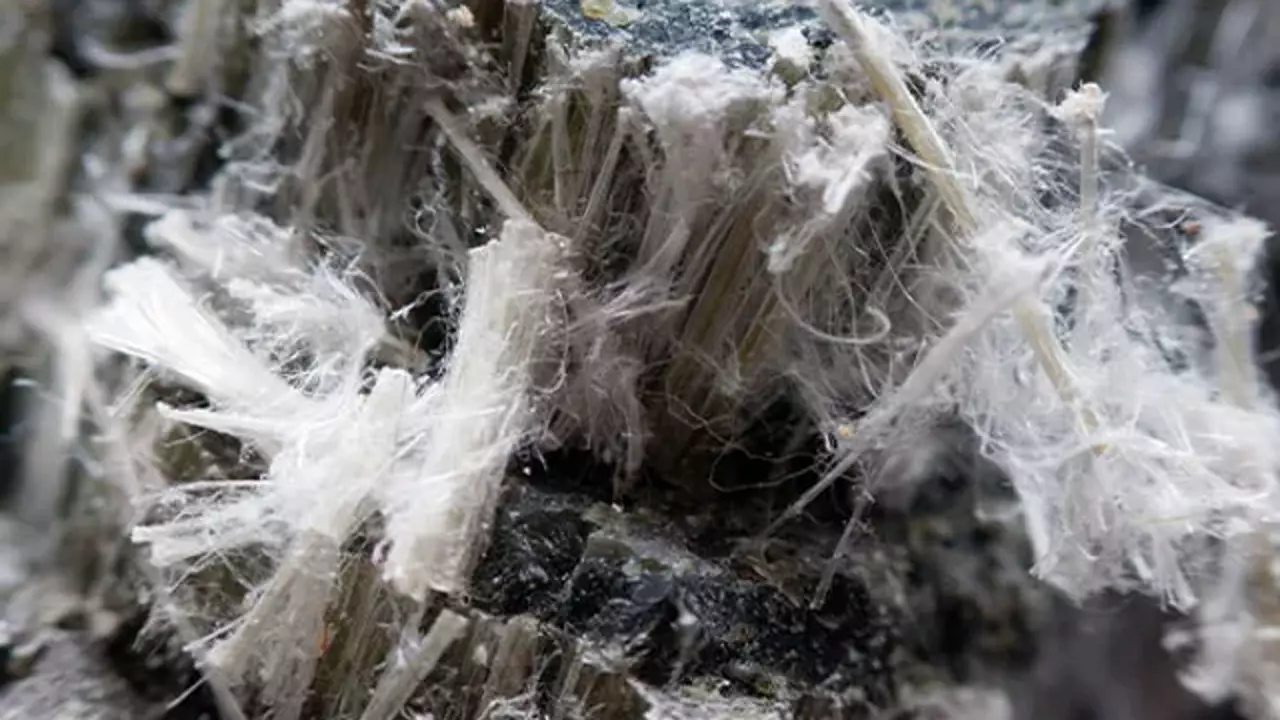

Most asbestos-related diseases stem from workplace exposure, causing over 170 deaths annually in New Zealand. Every tradesperson may encounter asbestos at work. Asbestos remains common in homes, businesses, and public buildings. Even small tasks like drilling can pose a risk when done regularly.

What to do if you uncover or damage materials that may contain asbestos
- Stop the work immediately.
- Keep people away.
- Minimise the spread of contamination to other areas.
- Get advice on what to do next.

Removing asbestos
From 4 April 2016, removing over 10 m² of non-friable asbestos must be done by a licensed asbestos removalist. All friable asbestos removal (e.g., lagging, insulation, damaged board) also requires a licensed removalist. A Certificate of Competence holder can perform this work until April 2018.

Working with asbestos
Always take precautions against asbestos, even for small, low-dust jobs.
Remember: Plan the job to avoid disturbing asbestos. If asbestos must be disturbed, ensure you have the proper information and training before starting.

Asbestos can be in places that you might not expect; including behind fuse boxes, in roofing, and window sills.

Three simple things will help keep you safe when doing asbestos work
- Keep dust down.
- Use the right protective equipment.
- Clean up properly.

Keep dust down
Keep ACM damp but not too wet
- Use a low-pressure water spray (e.g., garden sprayer) before and during work to reduce dust.
- Avoid high-pressure hoses.
- Mix eight parts water to one part detergent to help water soak in.
- Alternatively, use thickened substances like wallpaper paste, hair gel, or shaving cream.

Only use power tools set at the lowest speed so you do not create a lot of dust. Use dust collection equipment wherever possible.

Use plastic sheets to cover your work area to help stop the spread of dust. They will also make cleaning up easier.

Use the right protective equipment
Wear a Mask
- Not all masks protect from asbestos.
- Use a disposable P2 mask with a valve; P1 or dust masks are insufficient.
- Do not re-use disposable masks.
- Ensure a proper fit; facial hair and stubble prevent a good seal.

Wear Overalls
- Disposable overalls prevent asbestos fibers on clothes.
- Don't re-use them.
- Wear one size larger to prevent ripping.
- Put overall legs over footwear to keep out dust.

Clean up properly
It’s really important to clean up properly so that you safely remove and dispose of the asbestos waste.

Work Area and Tools
- Clean as you go to prevent waste buildup.
- Wipe tools and surfaces with a damp cloth; dispose of it as asbestos waste.
- Don't sweep; it spreads asbestos fibers.
- Use a vacuum with a fine particle filter, not a domestic vacuum.

Personal clean-up
- Dispose of disposable masks and overalls safely after you have finished the job. The mask and overalls are asbestos waste.
- Don’t take overalls home or wear them in vehicles. This will prevent people at home being exposed to asbestos fibres.

Disposal
- Make sure all waste, including masks, overalls, cloths and plastic sheets are double-bagged in heavy-duty plastic bags, sealed with tape and marked as asbestos waste.
- Dispose of the asbestos waste at an authorised disposal site. Contact the local tips in your area to find one that accepts asbestos waste.

Finishing the job
Visually inspect the area to make sure it has been cleaned properly.
From 4 April 2016 regulations on asbestos work changed. This includes the introduction of a new asbestos removal licensing system. Find out more