

General Approach
Inspect: Go to active work zones, look for hazards and things out of place.
Confirm: Verify critical items actually work, not just present.
Verify: Always check service tags/dates are visible.
Capture: Take photos during the inspection to verify checks.
Action: If you identify a hazard or something not in place, raise an action in the inspection record.
NOTE: Immediately report critical hazards to your manager - don't delay.

Chemical Inventory & Information
Safety Data Sheets (SDSs): Ensure no more than 5 years from issued date.
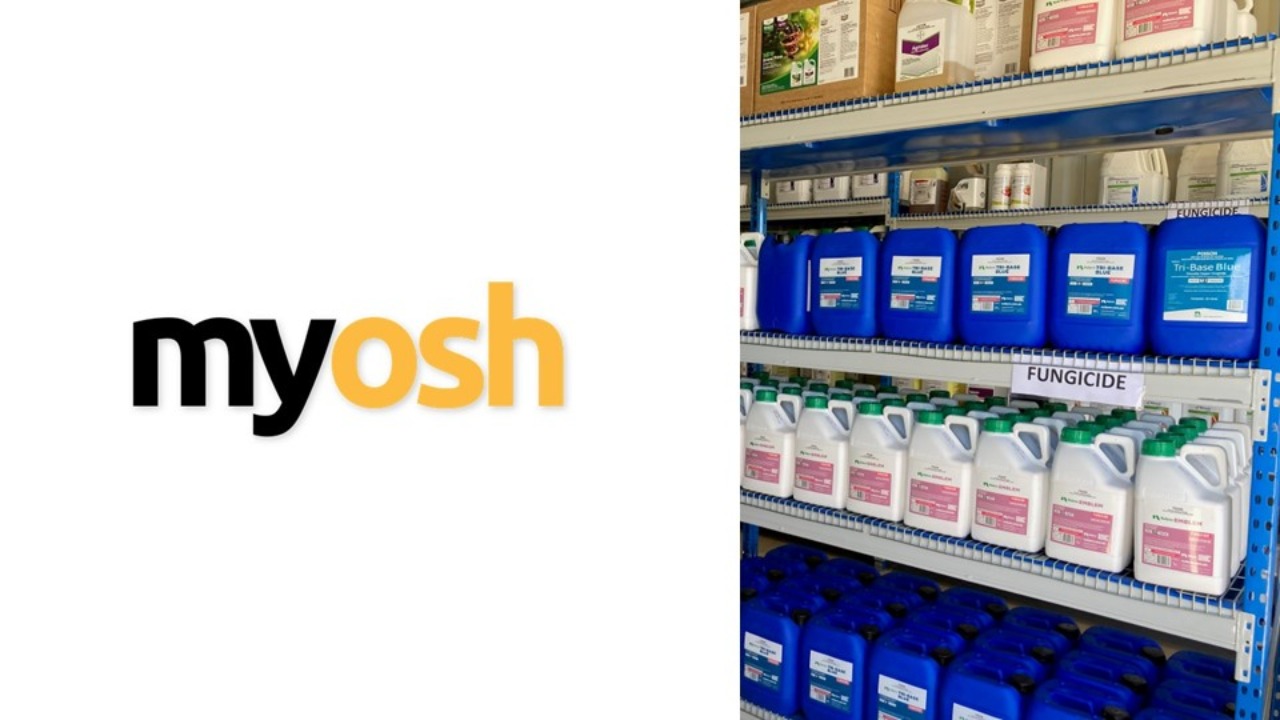
Labeling: Check containers (original and decanted) are correctly labeled with chemical name, hazard warnings, and safety precautions.
Expiry Dates: For chemicals with shelf lives, confirm within their expiry dates.
Pipework: Ensure pipes carrying hazardous substances are labeled.
NOTE: Go to all chemical storage locations. Check a sample of chemicals if inventory is too large.

Chemical Storage:
Segregation: Verify incompatible chemicals are stored separately (e.g., acids from bases, flammables from oxidizers). Refer to Segregation Chart.
Containment/Bunding: Check bunding in place to prevent liquids from spilling.
Flammables, Corrosives, Toxics: Check stored in appropriate cabinet (toxics must be secured/locked).
Ventilation: Assess if storage areas are ventilated.
Gas Cylinders: Ensure cylinders are secured, undamaged, within test dates.

Chemical Handling & Awareness:
Purchasing: Check if any new chemicals have been purchased and updated in register.
Safe Operating Procedures (SOPs): Check if SOPs exist for hazardous substances and are followed.
Training: Confirm staff are trained in chemical handling and emergency procedures (i.e. spill response).

Chemical Emergency Response:
Spill Kits: Verify kits are available and fully stocked/maintained.
Signage: Clear signage, including spill response procedure and emergency contacts available.
Observing Chemicals: Look for changes - colour, corrosion/rust on packaging, container swelling/hot.
NOTE: Immediately report observable chemical changes to your manager - do not handle.

General Practices
Waste: Ensure segregated correctly.
PPE: Check available and being worn where required (if observable).
Materials Storage: Verify materials stored to prevent falling and allow for safe access.
Manual Handling: Check mechanical aids available for moving heavy items.
Raising Corrective Actions
If you identify a hazard or something not in place, raise an action. Be specific, designate a responsible person and date for completion. Where possible, consult with the assignee to agree the action, or talk to your manager.
Links to related Knowbys: