
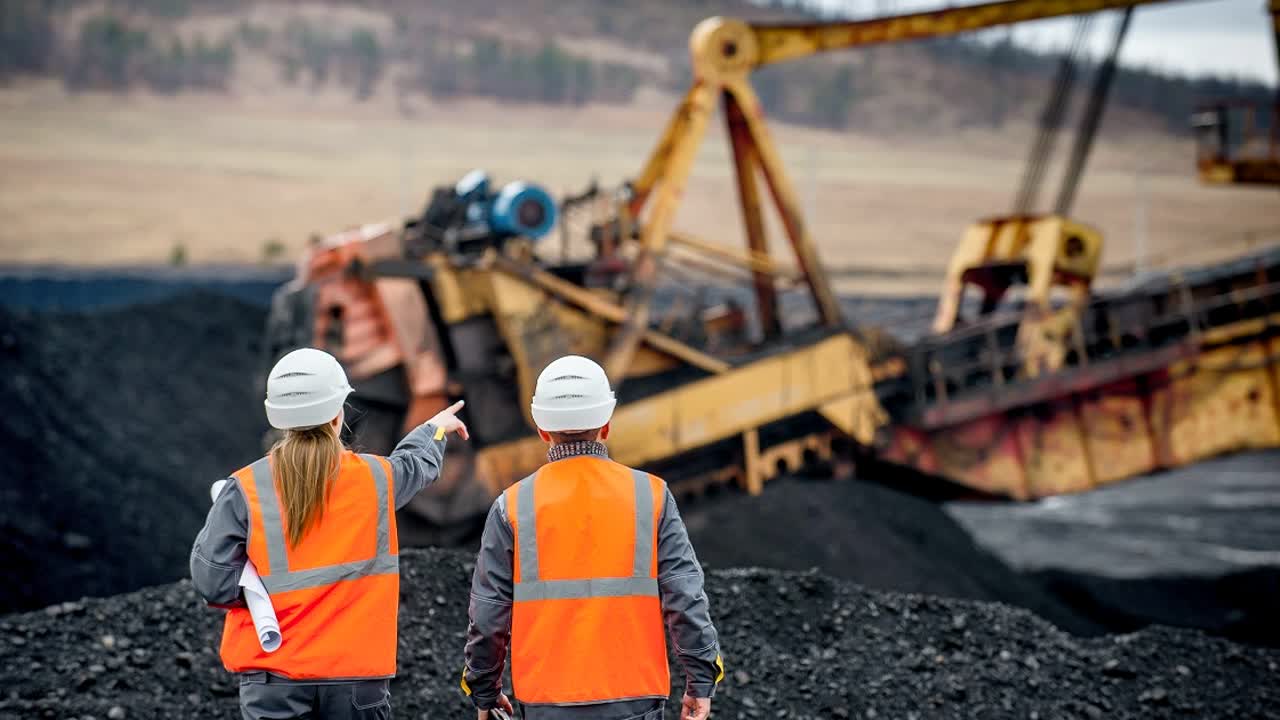
Workplace Examinations in Mines
Learn to conduct thorough workplace examinations to identify and address potential hazards, ensuring a safe and productive environment in surface metal and nonmetal mines. Boost safety, morale, and productivity with these essential steps and tips.
Learn to conduct thorough workplace examinations to identify and address potential hazards, ensuring a safe and productive environment in surface metal and nonmetal mines. Boost safety, morale, and productivity with these essential steps and tips.
1
Step 1 of 19Understanding Hazards
- Recognize potential safety and health hazards.
- Conduct effective and thorough workplace examinations.
2
Step 2 of 19Benefits of Workplace Examinations
- Ensure a safe workplace for employees.
- Boost employee confidence and morale.
- Increase productivity and reduce incidence rates.
3
Step 3 of 19Starting the Examination
- Begin at the pit and inspect the pit floor for standing water and changing ground conditions.
- Inspect haulroads and benches for stability and loose materials.
4
Step 4 of 19Inspecting Haulroads
- Ensure haulroads are clear of spilled material and graded for good drainage.
- Check for cracks or ground movement.
5
Step 5 of 19Examining Berms and Guardrails
- Verify berms and guardrails are properly constructed and maintained.
- Ensure berms at mine dump points are well constructed to prevent equipment overtravel.
6
Step 6 of 19Barricaded Areas
- Confirm blocked-off areas are clearly marked or guarded to prevent unauthorized entry.
7
Step 7 of 19Processing Plants
- Check travelways for cleanliness and clear of hazards.
- Inspect for loose steps, weather-related hazards, and structural damage.
8
Step 8 of 19Conveyor Safety
- Ensure all conveyor guards are in place and emergency stop cords are functional.
9
Step 9 of 19Crusher Control Area
- Check for bumper blocks, berms, railings, and structural integrity.
- Ensure proper working order of the start-up alarm, communication system, and dust suppression system.
10
Step 10 of 19Maintenance and Repair Shops
- Inspect general housekeeping and identify slip, trip, and fall hazards.
- Ensure proper storage and use of personal protective equipment (PPE).
11
Step 11 of 19Specific Safety Concerns
- Verify adequate illumination and ventilation.
- Check for posted no smoking areas and proper storage of compressed gas cylinders.
12
Step 12 of 19Hoists and Cranes
- Inspect for damaged hooks and cables.
13
Step 13 of 19Scale House and Other Facilities
- Check berms on access ramps, electrical hazards, and ensure sanitary conditions in labs and lunchrooms.
14
Step 14 of 19Surge Tunnels
- Inspect for safe access, air quality, adequate lighting, and proper working order of electrical systems and fire fighting equipment.
15
Step 15 of 19Dredge Safety
- Ensure life jackets are available and used.
- Check for obstructions on travelways and walkways.
16
Step 16 of 19Pumps and Pipelines
- Inspect for defects and problems, ensuring lighting fixtures are weatherproofed and guarded.
17
Step 17 of 19Preventing Electrical Accidents
- Examine electrical connections and equipment near water for safe working order.
18
Step 18 of 19Ongoing Examinations
- Conduct regular and effective workplace examinations to reduce accidents and improve safety.
19
Step 19 of 19Safety Meetings
- Hold weekly safety meetings to remind employees of safety protocols and reinforce team spirit.