

General Approach
Inspect: Go to active work zones, look for hazards and things out of place.
Confirm: Verify critical items (e.g., radios, eyewash) actually work, not just present.
Verify: Always check service tags/dates are visible.
Capture: Take photos during the inspection to verify checks.
Action: If you identify a hazard or something not in place, raise an action in the inspection record.
NOTE: Immediately report critical hazards to your manager - don't delay.

Housekeeping & Environment
Clear Pathways: Always ensure walking areas, emergency routes, and access to equipment are unobstructed.
Secure Storage: Check all stored items, especially on racking and pallets, are stable and secured (e.g., wrapped, not overhanging) to prevent falls.
PPE Use: Visually confirm that PPE is available in work area is being worn as indicated by signage.

Fire & Emergency Preparedness
Accessibility: Ensure fire equipment (extinguishers, hose reels) and emergency exits are visible, accessible, and not blocked by anything.
Evacuation Diagrams: Confirm diagrams are available and clearly show routes and assembly points.
Wardens: Verify that staff know who the fire wardens are for their shift.
Equipment: Check service tag for current dates and ensure the type is appropriate for the area's hazards.

First Aid
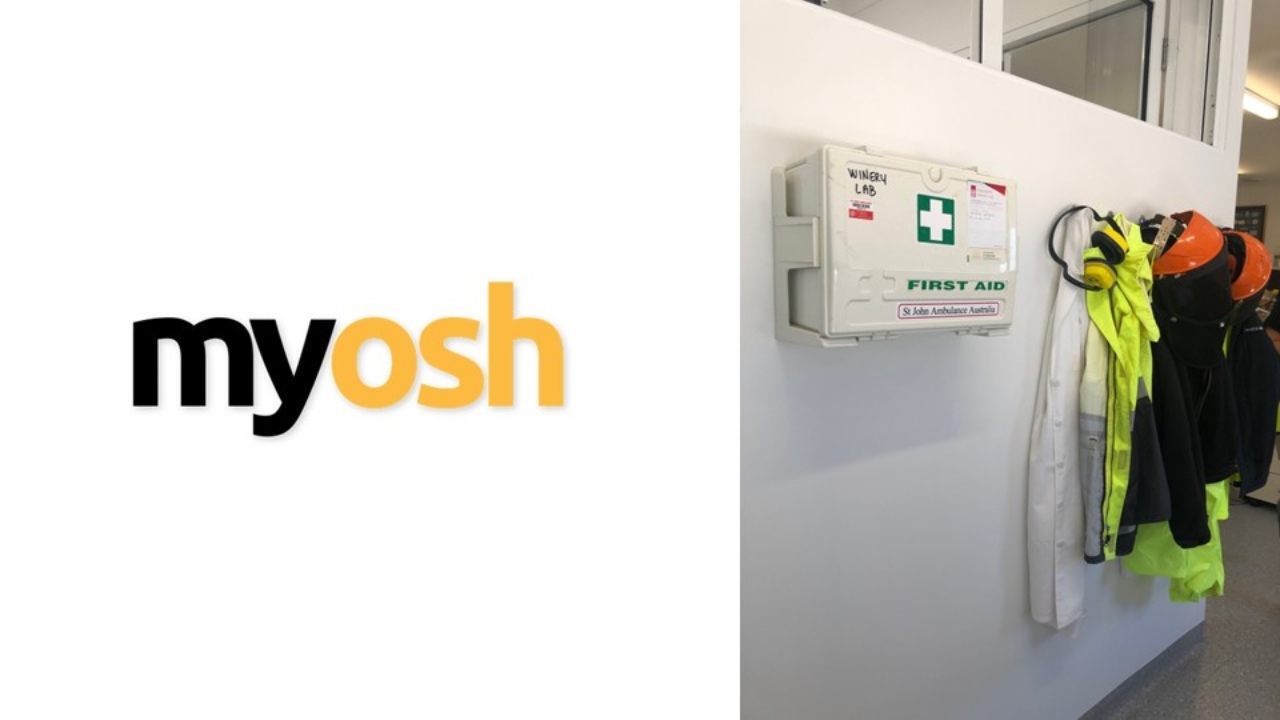
Kit: Check they are orderly, stocked, and in-date (check service tags)
Additional items: If present, verify Epi-pens and Ventolin are within their expiration period.
Eyewash Function: If eyewash/showers are present, visually inspect for damage and confirm operational.
First Aiders: Check names of first aiders are displayed on noticeboard.
Raising Corrective Actions
If you identify a hazard or something not in place, raise an action. Be specific, designate a responsible person and date for completion. Where possible, consult with the assignee to agree the action, or talk to your manager.
Links to related Knowbys: