Knowby
Three Arches Distilling
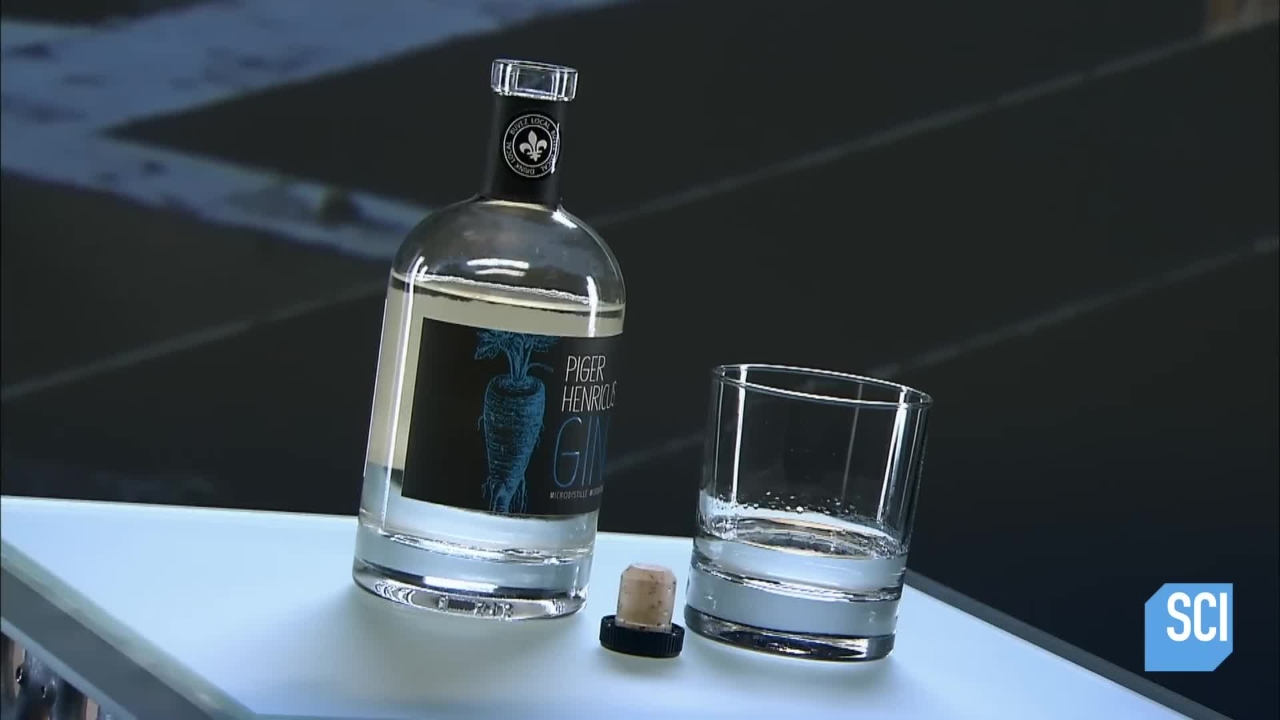
How Its Made Gin
Gin is a distilled alcoholic spirit.
Gin is a distilled alcoholic spirit.
1
Step 1 of 39Gin is a distilled alcoholic spirit.
2
Step 2 of 39It's flavored primarily with juniper berries. In fact, the word gin is believed to come from ginnever, the Dutch word for juniper.
3
Step 3 of 39It's the base for many popular mixed drinks, such as the martini, the Singapore sling, and of course, gin and tonic.
4
Step 4 of 39The microdistillery produces gin in small batches using the slower distillation process.
5
Step 5 of 39They don't add any sweeteners, artificial flavoring, or coloring.
6
Step 6 of 39At this distillery, everything is done by hand, starting with the main ingredient, juniper berries.
7
Step 7 of 39Then spices are added, dried angelica plant roots, coriander seeds, lemon peel, and cardamom.
8
Step 8 of 39All these ingredients go into a 90-gallon copper still.
9
Step 9 of 39A spirit distilled from fermented grain is already in the still.
10
Step 10 of 39It's completely tasteless but has an alcohol content of 95%.
11
Step 11 of 39To lower the alcohol level to 40%, they've diluted it with spring water.
12
Step 12 of 39Now they prepare to redistill with the spices.
13
Step 13 of 39This gives the spirit its distinct gin flavor.
14
Step 14 of 39To do this, they slowly heat the bottom of the still.
15
Step 15 of 39In about an hour, the alcohol boils and begins to evaporate.
16
Step 16 of 39They continue distilling for about six hours, constantly monitoring the temperature.
17
Step 17 of 39If the temperature reaches 212 degrees, the water will also evaporate, ruining the batch.
18
Step 18 of 39The alcohol steam rises up and out of the still through pipes leading to a chilled stainless steel tank.
19
Step 19 of 39When the hot steam hits the cold, it condenses back to a liquid, creating gin.
20
Step 20 of 39Throughout the distillation process, they take samples to measure the density and temperature.
21
Step 21 of 39These readings reflect the current alcohol level.
22
Step 22 of 39They adjust the distillation speed as required to produce a target alcohol level of 76%.
23
Step 23 of 39Only the middle of each batch, known as the heart of the distillation, is collected.
24
Step 24 of 39This particular distillery adds another step.
25
Step 25 of 39They infuse the gin with raw parsnips. This gives it an earthy flavor and subtle floral aroma.
26
Step 26 of 39They peel and slice the parsnips, place them in a tank, then pump in the gin.
27
Step 27 of 39After a couple of days, they pump it through filters on the way to a storage tank.
28
Step 28 of 39Then they dilute the gin with water to lower the alcohol level to 43%.
29
Step 29 of 39Before bottling, the distillery draws samples for quality control testing.
30
Step 30 of 39They examine the color, the aroma, and of course, the taste.
31
Step 31 of 39There will be slight variations in flavor based on the freshness of the parsnips.
32
Step 32 of 39This microdistillery has no automated bottling line.
33
Step 33 of 39They fill the bottles by hand only six at a time. They cork each bottle individually with a hand-operated press.
34
Step 34 of 39They apply a plastic sleeve, which they heat shrink tightly over the neck.
35
Step 35 of 39The consumer pulls a small gold tab to remove the seal and uncork the bottle.
36
Step 36 of 39This hand-operated machine labels one bottle at a time.
37
Step 37 of 39The machine removes the backing to expose the adhesive, then presses the label onto the bottle.
38
Step 38 of 39This is a London Dry Gin, meaning it's made with the traditional ingredients and contains no added sweeteners or colorings.
39
Step 39 of 39This distillation process is how gin was made before the age of large commercial distilleries.