
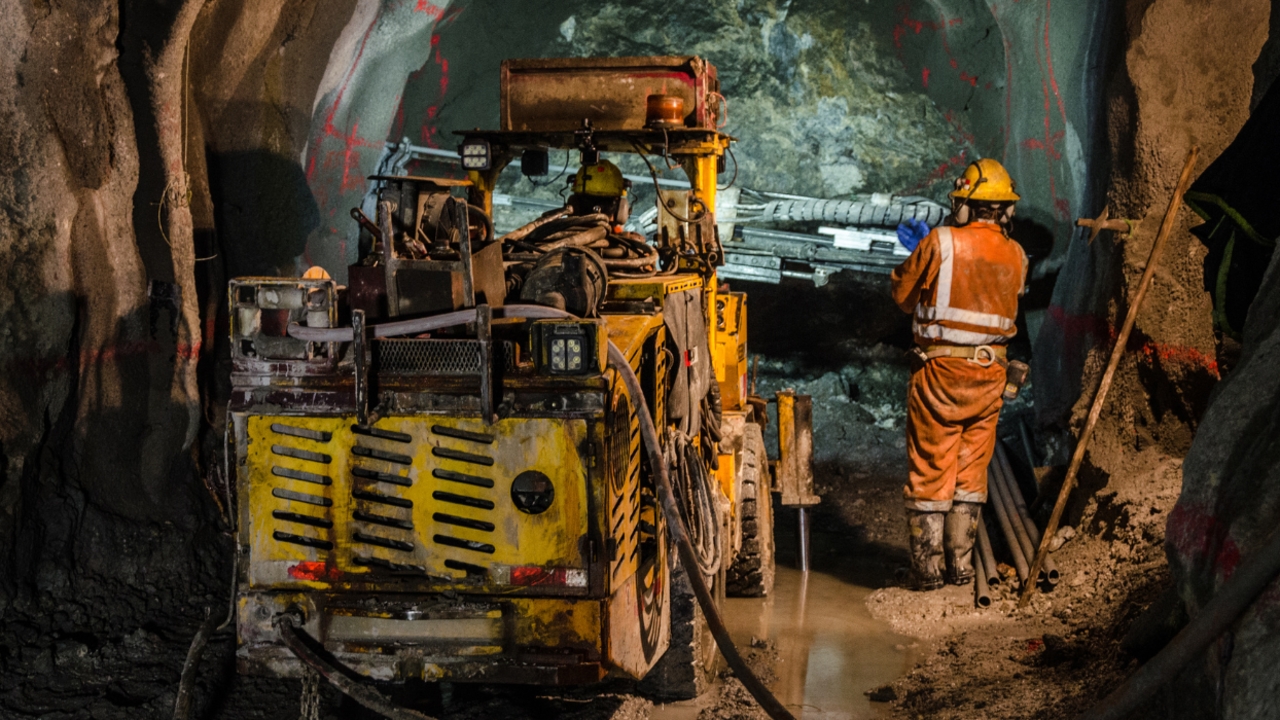

Understanding Mining Regulations
All personnel must be familiar with the local and national regulations that govern the use of explosives in mining operations. These regulations include specific guidelines on storage, handling, transportation, and disposal of explosives. Key documents such as the Explosives Act and the Mine Safety and Health Administration (MSHA) standards provide the framework for these operations. It is crucial to ensure that every action taken complies with these legal requirements to maintain the safety of all mine workers.
Pre-Transport Safety Measures
Before transporting explosives, conduct a thorough safety inspection of the storage facilities and transport vehicles. Ensure that explosives are stored in dry, secure magazines that are well ventilated and far from any ignition sources. Check the integrity of the packaging and ensure that all materials are clearly labeled with hazard signs. Documentation such as transport permits and material safety data sheets must be completed and available for inspection.
Safe Handling Techniques
When handling explosives, always wear the required personal protective equipment (PPE), including safety goggles, gloves, and anti-static clothing. Use only tools and equipment that are designed for use with explosives to prevent accidental ignition. Techniques such as lifting with your legs, not your back, and avoiding abrupt or rough handling are crucial to prevent accidental detonation.
Transporting Explosives
Explosives should be transported using specially designed vehicles that have protective linings and are equipped with fire extinguishers. Plan the route to avoid heavily populated areas within the mine and ensure the route is clear of any potential hazards. Secure the explosives firmly in place to prevent movement during transport and drive slowly to reduce the risk of shock or friction.

Special Conditions – Electronic Devices and WiFi
Electronic devices and signals such as WiFi can interfere with electronic detonators and other sensitive equipment. Enforce a strict policy requiring all personnel to turn off mobile phones, radios, and other electronic devices in areas where explosives are handled or transported. Consider using signal jammers and shielded enclosures to further protect against unwanted electronic interference.
Emergency Procedures
In the event of an emergency, such as a fire or accidental spill of explosives, follow the mine's emergency response plan. Immediately cease all operations, evacuate the area, and alert emergency response teams. Use the communication tools provided to report the incident to the control center without compromising safety, and always prioritize the well-being of all personnel.
Compliance and Continuous Education
Maintaining compliance with safety standards and regulations is an ongoing process. Regular training sessions, safety drills, and updates on regulatory changes are essential. Encourage all employees to participate in these educational opportunities and to stay informed about best practices and technological advancements in explosive safety.

Conclusion
Thank you for viewing our safety training knowby on transporting explosives in an underground mine. Remember, safety is everyone's responsibility. Always follow the established procedures, stay alert to any changes in your environment, and do not hesitate to ask questions if you are unsure about any part of the process. Stay safe and maintain vigilance at all times.
By incorporating these detailed instructions into the video, you ensure that viewers receive clear, actionable information that enhances their understanding and compliance with safe practices for transporting explosives in underground mining operations.