

Define Mission Objectives: Determine the satellite’s purpose—communication, weather monitoring, Earth observation, etc.

Design the Satellite: Create the satellite’s blueprint, including payload, power systems, and communication equipment.

Select Components: Choose reliable parts for the satellite's structure, propulsion, sensors, and power supply.

Develop and Test Software: Write and rigorously test the satellite’s onboard software for navigation, data handling, and communication.

Assemble the Satellite: Build the satellite according to design specifications, integrating all components and systems.

Conduct Ground Testing: Test the satellite's systems on the ground, simulating space conditions to ensure functionality and durability.

Choose a Launch Provider: Select a launch company (e.g., SpaceX, Arianespace) and negotiate terms for deploying your satellite into orbit.

Prepare for Launch: Transport the satellite to the launch site, perform final integration with the launch vehicle, and run pre-launch tests.

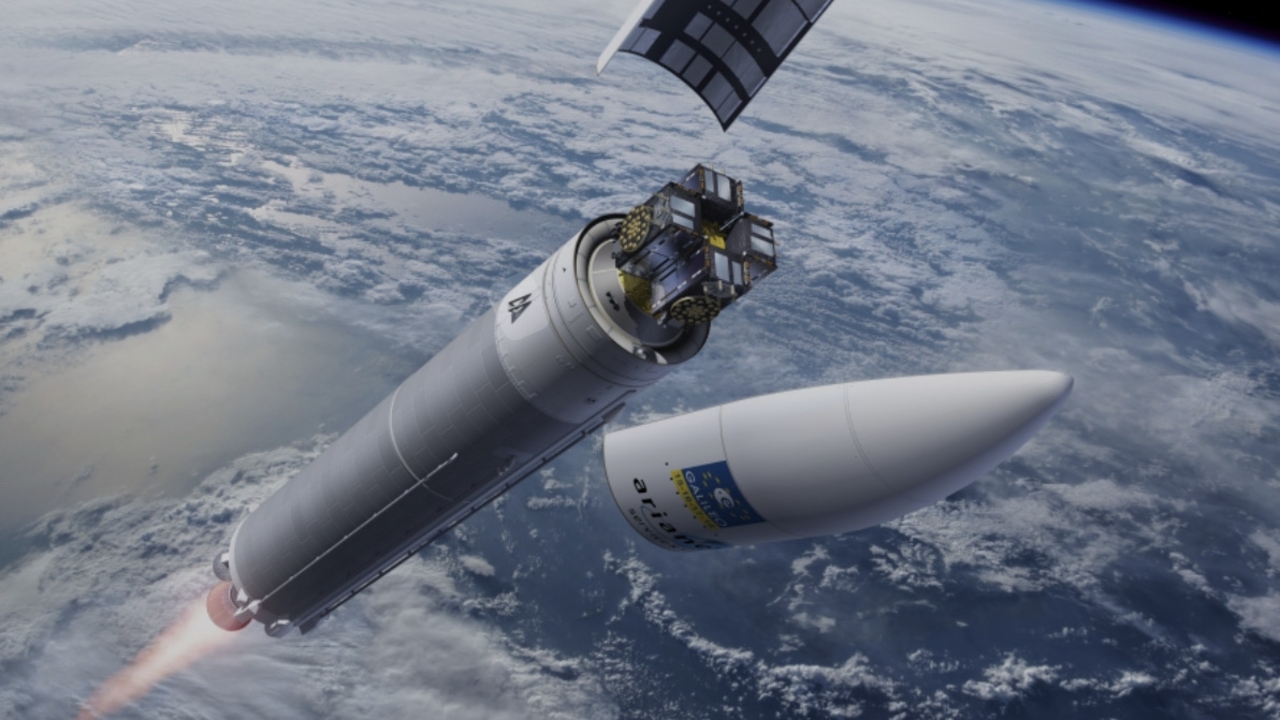
Launch the Satellite: Execute the launch, placing the satellite into its designated orbit using the chosen launch vehicle.

Deploy and Stabilize: Once in orbit, deploy antennas and solar panels. Stabilize and orient the satellite using thrusters or reaction wheels.

Test and Calibrate: Run initial in-orbit tests to verify that all systems are working correctly and calibrate sensors and instruments.

Begin Operations: Start the satellite’s mission, monitor its performance, and transmit data back to the ground station.